
 Next Day Delivery Available
  Local Delivery Included*
 Extensive Show Garden
 Ethically Sourced
Why natural stone varies in colour
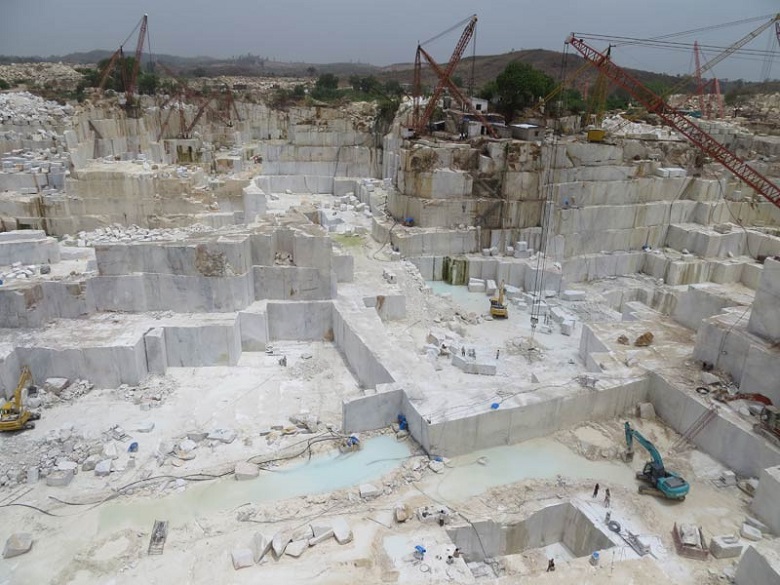
Most Indian sandstone was formed between 20 and 200 million years ago, when layers of sand were deposited by ancient rivers, lakes and shallow seas. Over time, immense pressure compressed these sand deposits into the stone we see today.
As each layer formed under slightly different conditions, the minerals trapped within the stone changed. These minerals are responsible for the wide range of colours found in sandstone today.
What Creates the Different Colours?
Golden & Buff Tones
Created by iron oxides and mineral-rich sediments. These warm colours are often associated with traditional British-style patios and gardens.
Reds & Browns
Produced by higher concentrations of iron that have oxidised over time, similar to how metal rusts.
Greys & Charcoals
Typically formed where there is less iron and different mineral compositions within the stone.
Subtle Green Hues
Can occur due to minerals such as chlorite or glauconite present during the stone’s formation.
Natural Banding & Veining
These unique patterns are created by changing sediment layers, mineral deposits and ancient water movement through the rock.
Every Slab Is Unique
Unlike porcelain, which is manufactured to achieve a consistent appearance, natural sandstone is quarried directly from the earth. This means:
✔ No two slabs are identical
✔ Colour variation is expected and desirable
✔ Natural riven textures vary from piece to piece
✔ Fossil markings and mineral deposits may be present
✔ Each patio develops its own character and charm
A Stone with History
Indian sandstone has been used in construction for centuries. Some of the most famous structures in India were built using sandstone, including parts of the magnificent Red Fort and Fatehpur Sikri.
Today, sandstone remains one of the most popular paving materials worldwide because it combines natural beauty, durability and timeless appeal.
A Cowley & Sons Ltd
Visit our website: Sandstone Paving Slabs | Indian Paving Slabs | Cowleystone
Visit our blogs: News, Blogs and Testimonials | Cowley Stone


 Basket
 Account
 01909 772 302